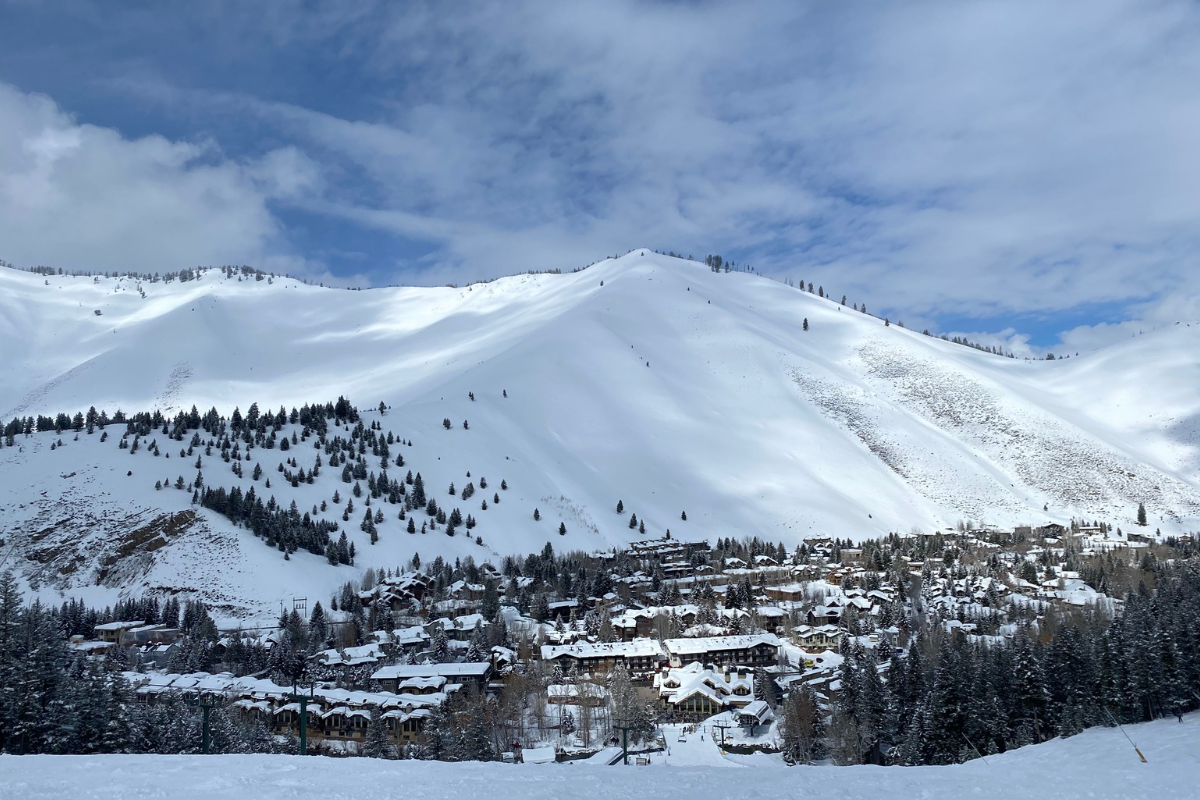
Snow removal is a fact of life in the Wood River Valley. When winter settles into Sun Valley, Ketchum, Hailey, and Bellevue, keeping driveways, walkways, and parking areas clear becomes part of the weekly routine.
But there’s something homeowners don’t always think about until spring.
Snow removal can damage your landscaping if your property isn’t properly prepared.
The good news? A few simple steps before the first major storm can help prevent broken shrubs, damaged irrigation components, torn-up lawn edges, and costly spring repairs.
Here’s what to know.
1. Mark Your Landscape Edges Before the Snow Falls
This might be the easiest and most effective thing you can do.
Once several inches of snow cover your property, it’s surprisingly difficult to tell where the driveway ends and the lawn begins.
That can be a problem when a snowplow or snowblower is working close to landscaped areas.
Before the first big storm, install tall, visible snow stakes along:
- Driveway and parking area edges
- Walkways bordered by grass or garden beds
- Decorative rock borders
- Raised planting beds
- Areas with irrigation components
- Vulnerable shrubs near plowing routes
Clearly marked boundaries help snow removal crews see what needs protection, even when everything is covered in white.
2. Plan Where the Snow Will Go
Snow has to go somewhere.
And after several storms, those piles can become surprisingly large.
Pushing heavy snow onto delicate shrubs, young trees, or landscaped beds can cause branches to bend or break. Repeatedly piling snow in the same area can also compact soil and delay spring thaw.
Before winter begins, identify appropriate snow storage areas that won’t put unnecessary pressure on your landscape.
Whenever possible, avoid piling snow directly against tree trunks, fragile plantings, or structures.
A little planning now helps prevent problems later.
3. Protect Shrubs and Young Trees
Some plants handle snow loads better than others.
Evergreens, ornamental shrubs, and young trees can be especially vulnerable when heavy snow is pushed against them.
If you have delicate plantings near driveways or walkways, consider temporary protective barriers or other appropriate winter protection.
It’s also worth inspecting nearby branches that could interfere with snow removal equipment.
For larger trees or concerns about structural damage, professional tree care is the safest option.
4. Watch Out for Ice Melt and Deicing Products
Keeping walkways safe is important, but not all deicing products are friendly to landscaping.
Salt and other deicers can affect soil conditions and damage nearby grass, shrubs, and trees when used excessively.
Snowmelt runoff can carry those materials into planting beds, especially along driveways and sidewalks.
Use deicing products carefully, follow label directions, and consider less damaging alternatives where appropriate.
Prompt snow removal can also reduce the amount of deicer needed.
5. Protect Your Irrigation System
Your sprinkler system might be shut down for the winter, but that doesn’t mean every component is safe from snow removal equipment.
Exposed irrigation heads, valve boxes, and other landscape features can be damaged if they’re hidden beneath snow.
Proper fall irrigation winterization protects the system from freezing, while marking vulnerable areas helps protect it from accidental physical damage.
Both are important.
6. Work With a Snow Removal Team That Knows Your Property
One of the advantages of working with a full-service landscape company is that the people caring for your property in summer understand what needs protecting in winter.
At Whitehead’s Landscaping, our landscape maintenance and snow removal services work together.
We understand where planting beds begin, where irrigation components are located, which trees and shrubs need extra care, and how snow storage can affect your property.
That familiarity helps us plan snow removal with the surrounding landscape in mind.
Because clearing the driveway shouldn’t mean repairing the yard every spring.
The Best Time to Prevent Snow Removal Damage Is Before the First Storm
By the time snow is piled three feet high along the driveway, it’s a little late to start looking for the landscape edging.
A few well-placed snow stakes, a thoughtful snow storage plan, and some basic protection for vulnerable plants can make a big difference.
And when the snow finally melts, you’ll be glad you took the time.
Save this before the first storm, and mark your edges this weekend.
Need help preparing your property for winter or arranging professional snow removal?
Call Whitehead’s Landscaping at 208-578-2246.
We’ll help keep your property accessible through winter while protecting the landscape you’ve worked hard to create.