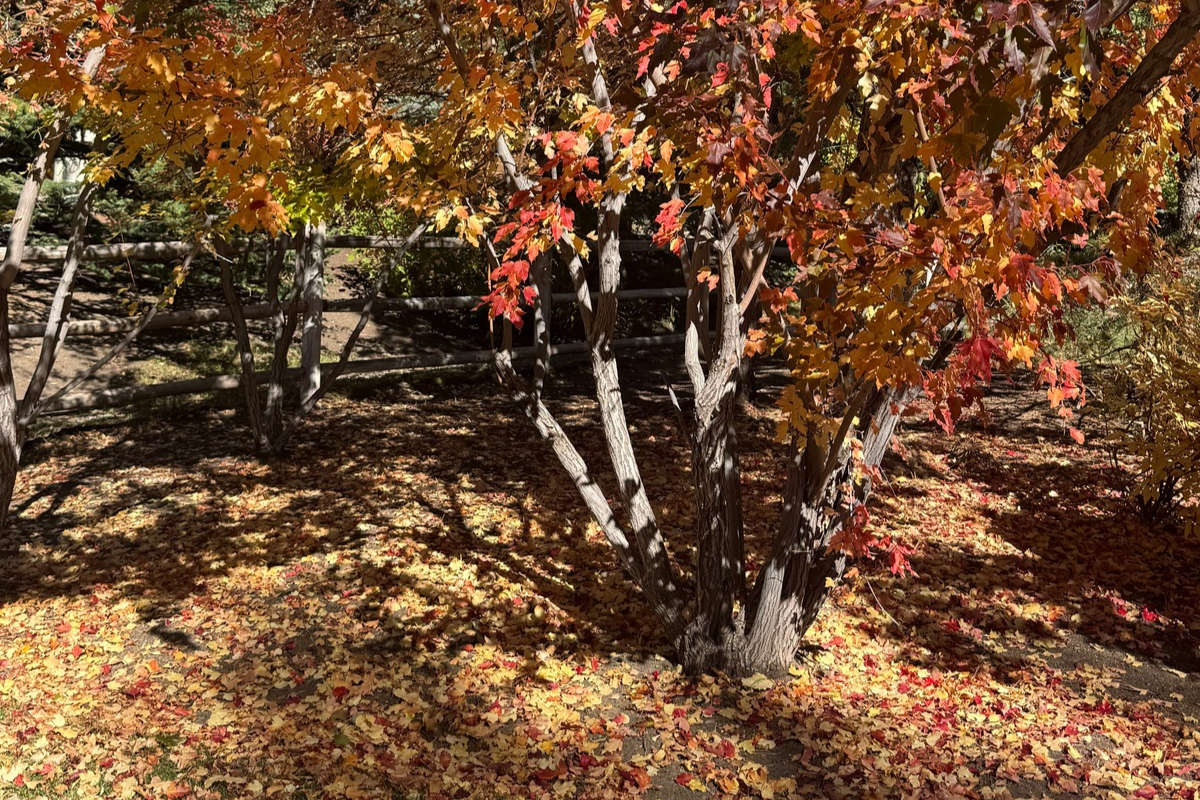
November in the Wood River Valley is that interesting time of year when one day feels like fall and the next feels like the middle of January. The leaves are mostly down, temperatures are dropping, and the first real snowstorm could arrive any day.
Before you put away the garden tools and settle in for winter, there are a few things worth checking around your property.
At Whitehead’s Landscaping, we help homeowners throughout Sun Valley, Ketchum, Hailey, and Bellevue prepare their landscapes for Idaho’s long winters. And while every property is a little different, there’s a short list of things we recommend every November.
Here’s what we’d tell our own clients.
1. Make Sure Your Irrigation System Is Winterized
If you haven’t had your sprinkler system blown out, move this to the top of your list.
Water left in irrigation lines can freeze, expand, and damage pipes, valves, and sprinkler heads. Those repairs aren’t much fun when you’re trying to get your yard up and running in the spring.
A professional sprinkler blowout helps protect your irrigation system from freezing temperatures.
If your system has already been winterized, you’re one step ahead.
2. Give Your Lawn and Garden Beds One Last Cleanup
A few leaves scattered across the lawn aren’t a big deal. Thick, wet layers of leaves and debris, however, can trap moisture and create problems beneath the snow.
Before winter settles in:
- Remove heavy leaf buildup from lawns and planting beds.
- Clear fallen branches and debris.
- Remove spent annual flowers and seasonal plantings.
- Cut back perennials where appropriate, leaving beneficial winter habitat where possible.
- Make sure drainage areas aren’t blocked.
A little attention now can make spring cleanup much easier.
3. Protect Young Trees From Hungry Deer
If you’ve lived in the Wood River Valley for more than one winter, you already know that deer have excellent taste in landscaping.
Unfortunately, that taste often includes your favorite young aspens and ornamental trees.
As natural food sources become harder to find, deer may browse tender branches and bark. Repeated damage can affect tree health and growth.
Consider installing protective fencing around vulnerable trees and shrubs before snow accumulates. Make sure fencing is tall and sturdy enough for local deer activity, and avoid wrapping materials tightly around trunks.
Young aspens, in particular, deserve a little extra attention.
And yes, this is the part of the list you should send to your neighbor.
4. Check Trees and Shrubs Before Heavy Snow Arrives
Snow-covered trees are one of the prettiest parts of winter in Sun Valley. But heavy, wet snow can also put considerable weight on branches.
Take a walk around your property and look for dead, damaged, or weakened limbs, especially those hanging over walkways, driveways, or structures.
Some pruning is best handled by a professional, particularly when larger branches or mature trees are involved.
The team at Mountain Valley Compost & Tree Care, part of the Whitehead’s family of services, can help evaluate tree health and identify concerns before winter weather makes them worse.
5. Give Your Soil Some Attention
Just because the growing season is over doesn’t mean your soil should be forgotten.
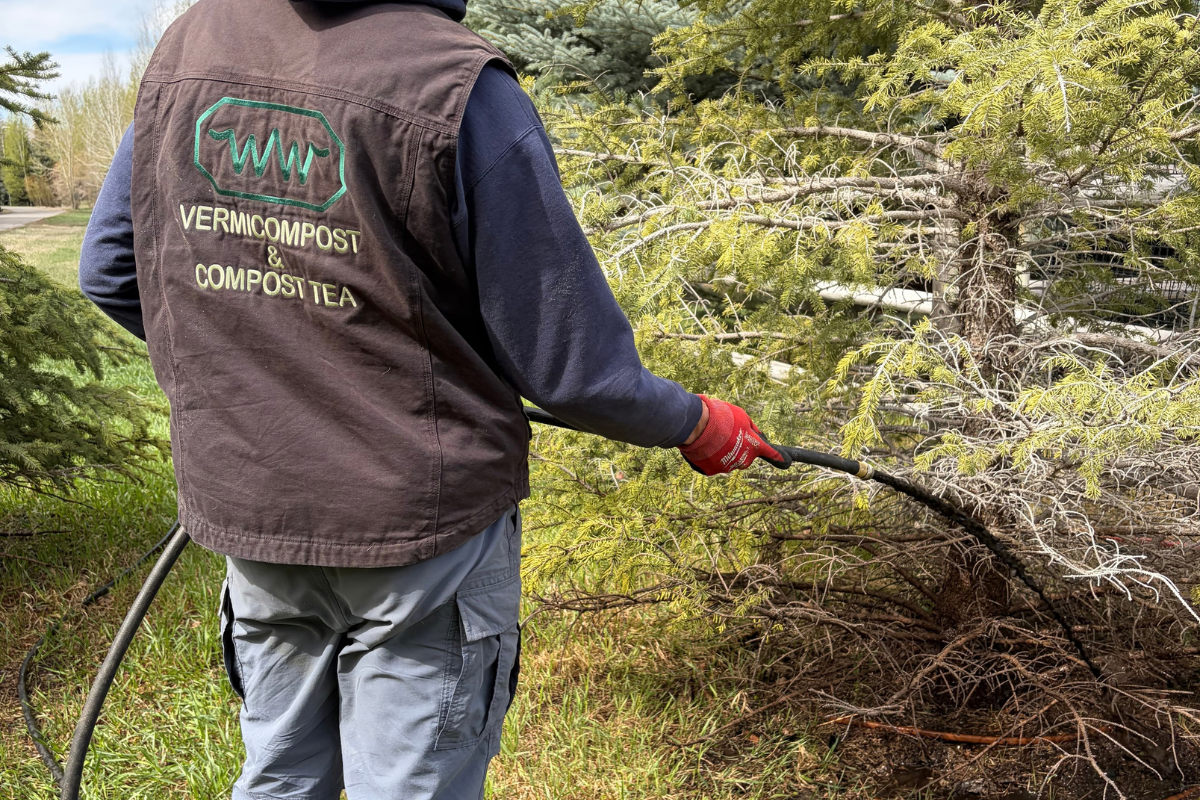
Fall applications of quality organic compost can help improve soil structure, support beneficial microorganisms, and build healthier growing conditions for spring.
Depending on your landscape and soil conditions, compost, vermicast, and other organic soil treatments may be beneficial.
Healthy soil is one of the best long-term investments you can make in your landscape.
6. Prepare for Snow Removal
Think about where snow will be plowed, pushed, or stored.
Are there shrubs along the driveway? Decorative rocks near the parking area? Irrigation heads or landscape edging that could disappear under the first snowfall?
Mark vulnerable areas with visible snow stakes before the ground freezes.
It’s a small job that can prevent a surprising amount of damage.
A Little November Work Goes a Long Way
Winter preparation doesn’t have to be complicated. Most of it comes down to protecting what you’ve already invested in.
A winterized irrigation system, clean planting beds, protected trees, healthy soil, and clearly marked landscape edges can make a noticeable difference when spring returns.
At Whitehead’s Landscaping, we know what mountain winters can do to a property, and we’re here to help you get ready.
Save this checklist for your weekend to-do list. And send it to the neighbor whose aspens the deer keep finding. 🦌
Need help getting your property ready for winter?
Call Whitehead’s Landscaping at 208-578-2246.